How Do Midi Excavators Improve Operator Comfort and Safety?
The ergonomic features, modern control systems, and strong structure designs of Midi Excavators make them much safer and more comfortable for operators. These small machines have flexible seats, easy-to-use control panels, less vibration, and better sight features that keep operators from getting tired after long work sessions. Some safety changes include stronger cabin walls, emergency shut-down systems, and stable hydraulic systems that keep workers from getting hurt or hurting others. Modern MIDI excavators are based on decades of feedback from operators and new technical ideas. This makes sure that efficiency gains never come at the cost of worker safety or health.
Understanding Operator Comfort and Safety Challenges in Midi Excavators
There are many difficulties that come with operating excavation tools, which affect both productivity and safety. When builders look at compact building equipment, knowing about these problems helps them make smart choices.
Common Operator Discomfort Issues
Operators often get fatigued from doing the same things over and over, sitting in uncomfortable situations, and being around engine noise for long periods of time. Vibrations that get through the cabin floor and controls can hurt your muscles and bones over time, mostly in your lower back and shoulders. Lack of legroom in badly designed cabins pushes workers into positions that aren't natural and makes them fatigued faster. When you don't control extreme temperatures properly, they make it even harder to focus and do good work. These sources of pain build up over the course of a workday, slowing down operations and making costly mistakes more likely. Studies in the industry show that operator fatigue is a factor in about 30% of accidents on building sites. This means that comfort features should be required equipment improvements rather than options.
Safety Risks on Construction Sites
When designing tools, we must naturally take into account the risks that construction sites present. When visibility is low, the operator can't see workers or barriers, which increases the risk of an accident. Tipping over can happen when machines aren't stable on rough ground, especially if they don't have the right counterbalancing systems. If a hydraulic system's safety locks break down during repair, the system could collapse and crush someone. Even though OSHA rules require protected structures, there are still many problems with operators not being safe enough from falling objects or rollovers. These risks are made worse by things like dust, noise levels above 85 decibels, and whole-body shaking exposure. Through thorough safety planning, contractors must make sure that the tools they choose actively reduce these risks.
Regulatory Standards and Compliance
Several government groups have strict rules for companies that make equipment. Roll-Over Protective Structures (ROPS) and Falling Object Protective Structures (FOPS) must be installed on all machinery that surrounds a user. The European Union's Machinery Directive 2006/42/EC sets basic safety standards for goods sold around the world. ISO 2631 talks about how people can be exposed to mechanical vibrations, and ISO 6165 outlines terms and business standards for earth-moving equipment. Following these guidelines keeps basic safety levels in place, but top makers usually go above and beyond what is needed. When purchasing equipment, procurement workers should check the licensing paperwork because machines that don't obey the rules can put companies at risk of liability and even fines from the government.
Key Features of Midi Excavators That Enhance Operator Comfort
Modern compact excavators include certain features that change how users feel during hard work cycles. These new ideas solve the comfort problems that were found through a lot of field study and tools that let operators provide feedback.
Ergonomic Cabin Design
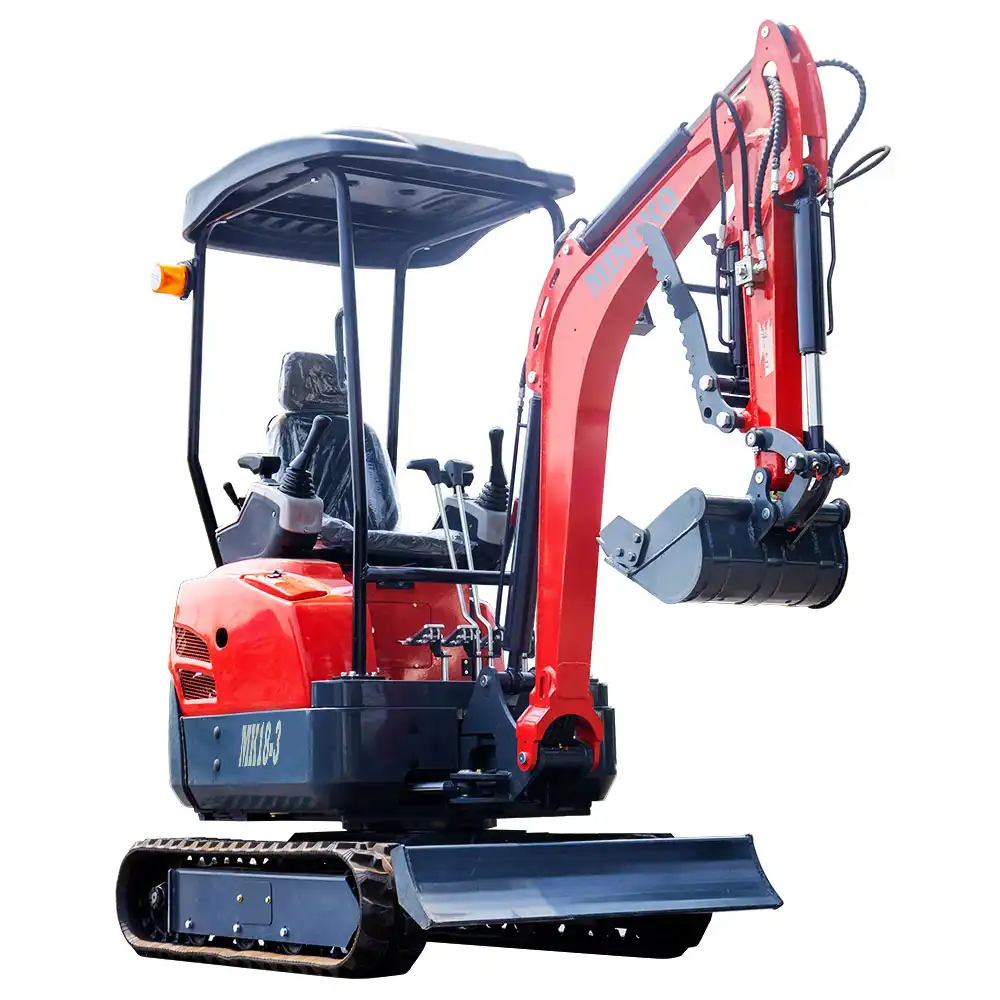
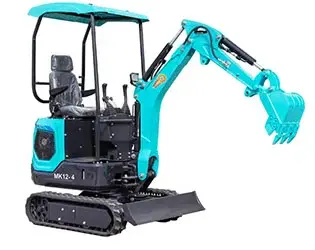
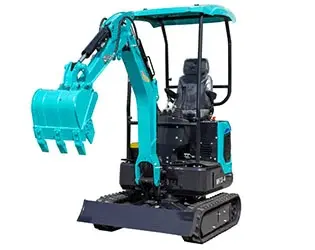
Well-designed operator booths have enough room for workers to move around and change positions naturally during their shifts. This idea is shown by the Mingko MK12-4, which has a thoughtfully designed operator station that fits people of different sizes without obstructing view or control access. With lumbar support and adjustable seats, workers can find the best position for themselves, avoiding pressure points that can cause pain during long shifts. The intuitive placement of the controls reduces the need to reach and twist, and the placement of the joystick supports natural arm angles. Climate control systems keep temperatures stable regardless of what the outside conditions are. This keeps people from being distracted and tired by temperature changes. Slip-resistant surfaces and carefully placed handholds at cabin entry points make it safe to mount and dismount equipment, lowering the number of slip-and-fall accidents that happen during equipment access.
Vibration and Noise Reduction Technology
Too much noise and shaking are two of the main things that make people uncomfortable, and modern excavators work hard to get rid of them. Modern mounting systems prevent vibrations from the engine and hydraulic pump from affecting the cabin. This makes it much less likely that the user will feel whole-body motions. Stamped and made one-piece bodies are used in Mingko equipment. These bodies have built-in structural damping that stops operational tremors before they reach the operator station. Insulation and acoustic treatments in the engine room lower the noise level inside the cabin. This lets operators hear sounds outside the cabin without having to wear earplugs. These traits are especially helpful for long-term projects where long-term contact would normally make operators very tired. When operators are exposed to less vibration, they are less likely to develop hand-arm vibration syndrome (HAVS) and other circulation diseases that affect their long-term health.
Enhanced Visibility Systems
Full sight affects both user comfort and safety by lowering the stress that comes with not knowing what's going on around them. Panoramic window designs give the user the best view possible while minimizing blind spots that require them to constantly move their heads and change their position. Putting mirrors in the right places around the machine's edge improves vision to important areas, which is especially helpful for landscaping and demolition jobs that need to work in small spaces. Small machines like the MK12-4 naturally offer better sightlines than larger ones while still being able to do the same amount of work. Clear sightlines make it easier for workers to focus on their tasks instead of constantly looking for dangers, which lowers the mental load needed for spatial awareness. This benefit of better sight is especially useful on crowded urban building sites where many trades are working at the same time in small spaces.
Safety Enhancements Built Into Modern Midi Excavators
These days, small excavators have many safety features that keep workers safe from common risks they might face while digging, tearing down, or moving things around.
Structural Protection Systems
Modern small excavators keep operators safe because they have strong structural engineering. ROPS-certified cabin structures are made with strengthened steel frames that keep the operator's room during rollover accidents, meeting or exceeding international safety standards. The stamped and made one-piece body design that Mingko uses gives their products great structural strength, so they don't bend when hit. FOPS security keeps workers safe from falling objects that might happen during removal work or when they are working near buildings. Reinforced glass in house windows can handle rocks and building materials thrown at it without breaking into dangerous pieces. These structural defenses work silently, so the user doesn't have to do anything to keep the equipment safe while it runs.
Hydraulic Safety Mechanisms
Hydraulic systems create huge forces, so they need very complex safety controls. Automatic locking mechanisms prevent attachments from moving without permission when the digger is not in use. This keeps operators safe when getting on and off the machine. Pressure release valves keep the system from getting too pressurized, which could damage the hoses or break parts. With the MK12-4's foot-controlled auxiliary hydraulic function, workers can keep a firm grip on the main controls while triggering breakers or augers. This keeps them from losing control during difficult tasks. Load-sensing hydraulic systems change the pressure and flow rates automatically based on how much work needs to be done. This keeps the machine from shaking or jerking suddenly, which could make it unstable. When hydraulic lines are routed, safety guards keep the hose from touching sharp edges or hot surfaces, which could cause it to break early.
Operational Safety Features
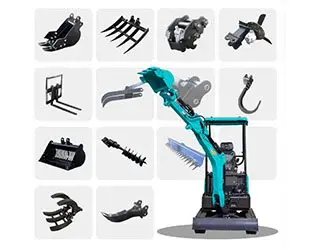
Active safety systems help workers keep the workplace safe in addition to passive structure protections. Having emergency stop keys close at hand makes it easy to turn off the tools right away in case of an emergency. Clear warning signs let workers know when something is wrong with the system, like when the hydraulic oil level is too low, the engine is overheating, or the machine is tilted too much, which could lead to a tip-over. Access steps and platforms with non-slip surfaces keep your feet stable while you enter equipment, regardless of what the weather is like. Because midi excavators like the MK12-4 are small and easy to move around, they are less likely to hit buildings or utility lines by mistake in confined work areas. Standardized color coding and symbolic marking make it easy for workers to locate important controls and safety features without having to worry about language hurdles. This is especially important for American building teams that speak more than one language.
Maintenance and Operational Practices That Support Comfort and Safety
How long a piece of equipment lasts and how safe the operators are depend on how well it is maintained and how well it is used, so that safety features stay in place throughout its service life.
Routine Inspection and Service Requirements
You can keep comfort and safety features that break down without proper care up with regular upkeep. Daily pre-operation checks should be done to ensure the structure of the cabin is sound. Cracks or deformations in ROPS parts that could make the cabin less safe during rollovers should be looked for. Inspections of hydraulic systems identify leaks or broken lines before they break down during use. This prevents people from suddenly losing control or getting hurt while injecting fluid. Replacing the cabin air filter keeps the temperature control working well and stops dust from getting in, which can irritate the lungs and make it hard to see. Compact midi excavators with engines like the 13.5 HP B&S unit or alternatives from Kubota have fairly simple mechanical systems that make upkeep straightforward for skilled workers who don't need special tools. Regularly greasing the pivot points keeps the control working smoothly without requiring too much force, which makes operators tired faster. Recording upkeep tasks makes people responsible and helps find problems that keep happening, which could mean there are flaws in the design that need to be fixed by the maker.
Operator Training Programs
For the highest level of safety, even well-designed equipment needs to be operated by people who know what they're doing. Complete training programs should cover the right way to start up, including ensuring that all safety systems work before starting work. When workers are taught ergonomic practices, they learn how to change the controls and seats so that they fit perfectly, making the most of the comfort features built into the equipment. Safety feature teaching makes sure that workers know how to shut down in an emergency and can spot warning signs before things get really bad. The MK12-4 has a foot-pedal secondary control system that needs special training to work well with the main control system without affecting its steadiness. Load management instructions keep machines from being overloaded, which could cause them to tip over or damage the structure. Regular refresher training helps workers remember the right way to do things and learn about any new safety features that have been added to equipment through upgrades or repairs.
Fuel Efficiency and Environmental Considerations
When you cut down on refueling and outdoor exposure, operational speed and safety come together. There are different types of engines, such as the Euro 5-compliant Koop 192F and the EPA-certified B&S powerplants, which balance speed with fuel use to make it possible to go longer without stopping to refuel. When run times are longer, there are fewer filling activities, which can be dangerous because of spills and fires. When hydraulic systems are efficient, they cut down on parasitic power losses. This means that less fuel is used and less pollution is released into tight workspaces. When you manage fuel correctly, you keep it from getting contaminated, which could damage the engine during important operations. Such management keeps power going to safety-critical functions reliably. Being good to the environment by lowering emissions also saves the health of the user when they are inside for long periods of time, and exhaust can get in.
Making an Informed Procurement Decision Based on Operator Comfort and Safety
To choose the right excavation tools, you need to carefully look at their specs, the manufacturer's customer service options, and the total cost, which includes the initial buy price.
Specification Comparison Methodology
To do excellent buying, you must first have a clear picture of what the project needs and what the user needs. The choice of weight class strikes a balance between portability and stability. For example, the 1200 kg working weight of compact types makes them easy to move around in small areas while still having enough mass for safe operation. Performance is based on the engine's power number, which can be anywhere from 7 kW to 13.5 HP to handle different levels of work. Maximum digging depths, like the 1700mm that the MK12-4 can reach, must match up with normal mining needs so that production doesn't get slowed down. The 0.025-cubic-meter bucket size is optimal for precise work in landscaping and installing utilities because it has a direct effect on cycle times and material-moving efficiency. Comfort features inside the cabin, like the range of seat adjustments, climate control options, and noise levels, let you measurably compare different models.
Evaluating Manufacturer Credentials
The supplier you choose greatly affects your satisfaction with your tools and their long-term reliability. Shandong Mingko Industry Corporation has been making compact tools for 15 years, which indicates that they are dedicated to improving their products and making sure their customers are happy. ISO 9001 approval guarantees consistent quality management systems that cut down on errors and make sure that specifications are met. The title of a National High-Tech Enterprise means that the company is constantly investing in new technology and not relying on old ideas. Factory-direct sales models get rid of the markups that distributors add on top of the price. They also keep direct lines of communication open between end users and engineering teams that can handle technology issues. Modern factories that can make more than 15,000 units a year have economies of scale that help them offer reasonable prices without lowering quality standards.
Total Cost of Ownership Analysis
The purchase price is only one part of evaluating a tool investment. The warranty coverage has a big effect on the total cost. Mingko's 12-month guarantee and lifetime technical help protect against unexpected repair costs during key project stages. The differences in fuel efficiency between engine types accumulate over thousands of hours of use, which makes the higher costs of buying more fuel-efficient power plants worthwhile over time. Accessibility for maintenance affects service time and the prices of workers. Well-designed tools make inspections and repairs go more quickly. When deciding when to replace something, residual value comes into play. Well-kept equipment from reliable makers has a higher resale value. Financing options and customization services let you get the best equipment specs without spending a lot of money up front. This is especially helpful for workers who are working on multiple projects at once that have different equipment needs.
Conclusion
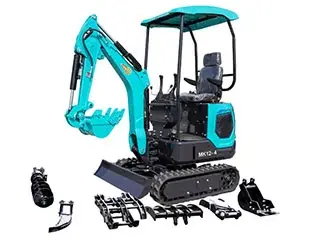
In conclusion, midi excavators are safe and comfortable for operators because they are designed with ergonomics, visibility, structural security, and the stability of the hydraulic system all in mind. These features are built into modern compact excavators instead of being added later on. This makes sure that they work well together and improves both efficiency and operator comfort. When making purchases, companies that show a long-term dedication to safety innovation through certifications, study funding, and helpful customer service should be given priority. Finding the right balance between the initial cost of an item and its total owning costs will help you get more value in the long run while also protecting your employees' health and the company's image. The compact excavator market is changing quickly, so it's important to work with manufacturers who are also thinking ahead in order to stay ahead of the competition in increasingly demanding markets.
FAQ
What distinguishes midi excavators from mini excavators in terms of operator features?
Most midi excavators weigh between 6 and 10 tons, which is in the middle of small excavators like the 1.2-ton MK12-4 and full-size machines. Instead of strict weight categories, the difference is based on power output, digging depth, and housing luxury. Smaller models that weigh less than 2 tons focus on being easy to move in tight areas while still having the same comfort and safety features as bigger machines.
How often should safety features be inspected on compact excavators?
Every day before the operation, the structure, hydraulics, and emergency controls should all be checked to make sure they work properly. Every year or after any event that puts the machine under unusual loads, the safety system should be fully checked out, and this should include checking the ROPS structure. Detailed checks of hydraulic systems should be done every three months to find wear before they break down while they're working.
Can aftermarket upgrades improve comfort and safety on existing equipment?
Replacing seats, adding more mirrors, and installing a backup camera are all useful ways to improve older equipment. Changes to structures that try to add ROPS security need to be approved by an engineer to make sure they work, and they should usually be avoided in favor of replacing equipment with safety systems that are built in from the factory.
Partner with a Trusted Midi Excavator Manufacturer
Shandong Mingko Industry Corporation has been making high-quality excavation tools for 15 years and is ready to help you with your needs. Our MK12-4 model shows how committed we are to designing for operators, with features that make it more comfortable and last longer while still increasing daily productivity. We offer factory-direct prices and strict quality standards because we are an ISO 9001-certified plant that makes 15,000 units a year. With a minimum order quantity (MOQ) as low as one unit, we can tailor customization services to meet the specific needs of each project. Your investment will be safe for a longer time, thanks to our full 12-month guarantee and free expert support for life. Get in touch with our dedicated team at sales@mingkomach.com to talk about how our small excavators can help you build more while putting user safety and comfort first. Find out why companies use Mingko as their midi excavator source for a wide range of tasks.
References
1. Occupational Safety and Health Administration. (2021). Safety Standards for Construction Equipment Operation. U.S. Department of Labor Guidelines for Earth-Moving Machinery.
2. International Organization for Standardization. (2020). ISO 6165:2012 - Earth-Moving Machinery - Basic Types - Identification and Terms and Definitions. Geneva: ISO Publications.
3. European Commission. (2019). Machinery Directive 2006/42/EC: Application Guide for Excavation Equipment Manufacturers. Brussels: EU Official Publications.
4. National Institute for Occupational Safety and Health. (2022). Whole-Body Vibration Exposure in Construction Equipment Operators. NIOSH Research Program Report Series.
5. American Society of Safety Professionals. (2023). Best Practices for Compact Equipment Operator Training and Certification. ASSP Technical Publications Division.
6. Construction Equipment Association. (2022). Total Cost of Ownership Analysis for Compact Excavators: A Procurement Guide. CEA Industry Research Bulletin.